
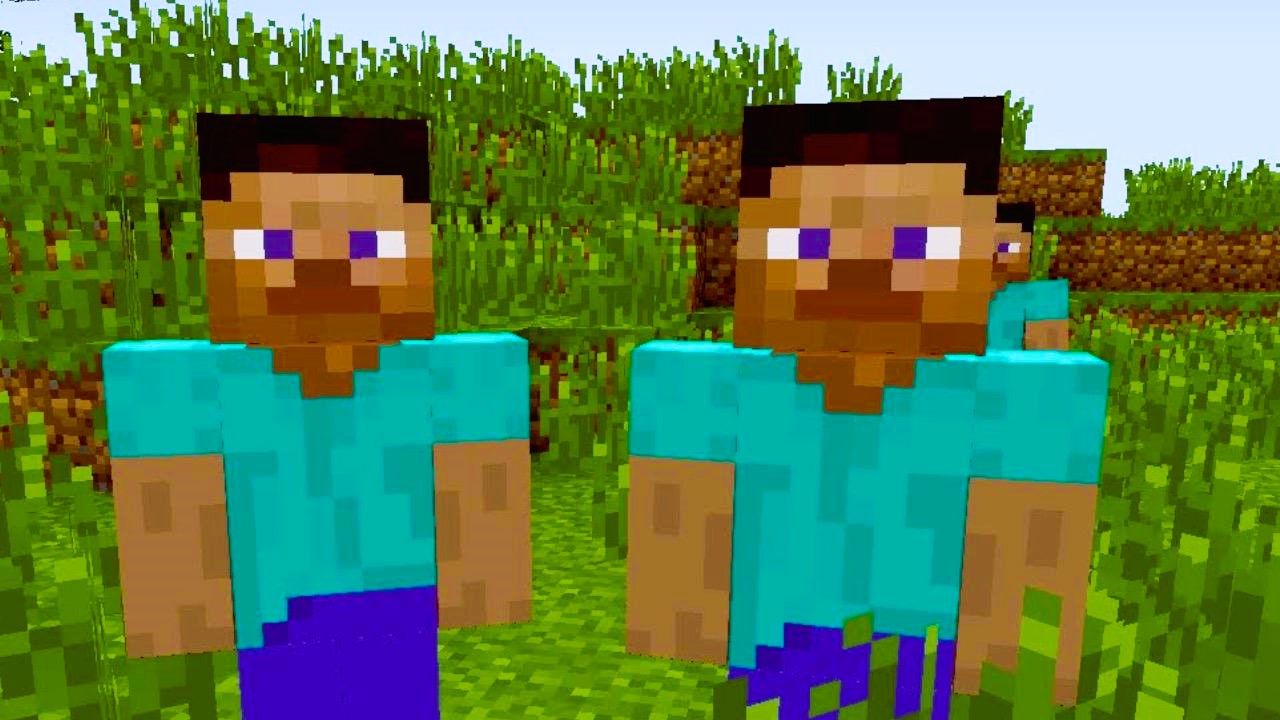
Alright, my fellow gamers, devs, and all the folks hustling in the esports trenches — let’s break it down. You’ve seen it: games that blow up, and then, like clockwork, there’s a whole bunch of knock-offs popping up trying to ride that coattail. Sometimes they suck, other times they actually work. So, what makes the difference between a good clone and a bad one? Is it all about copying what’s popular, or is there a little more to it? Spoiler alert: it’s not just the graphics.
Let’s dig in — we’re diving into why some of these clones succeed and why others crash and burn faster than you can say “lag.”
What Makes a Clone Tick?
You ever notice how some copies feel like they get it right? That’s not by accident, my friend. There’s a science to cloning, and it’s not just about copying code or art. It’s about timing, polish, and knowing your audience. Here’s the deal:
- The Core Concept: Great clones don’t just copy the surface stuff; they dig into what made the original work. Was it the mechanics? The vibe? The open-world freedom? Get that right, and you’re halfway there.
- The Timing: Ever heard the phrase “right place, right time”? It’s a real thing in gaming. Sometimes it’s all about jumping on a trend while it’s still hot but not over-saturating the market with junk.
- Polish: This one’s simple but often ignored. If your game is buggy, no one cares if it’s a great idea. Performance is key — especially for multiplayer games. We’re talking about frame rates, server stability, and keeping it buttery smooth.
The Best-Known Clones: Hits vs. Misses
We all know the classic clones, right? Some games just get it, and others… not so much. Let’s take a look at a few:
1. Fortnite vs. PUBG
We all remember when PlayerUnknown’s Battlegrounds (PUBG) hit the scene. It was the OG battle royale, and it sparked an entire genre. Then came Fortnite. And while many dismissed it as a cartoonish copy, it turned out to be the battle royale for the ages.
Why Fortnite succeeded:
- Build Mode: Fortnite didn’t just clone PUBG’s concept; they added the crazy building mechanics. Boom — instant gameplay twist.
- Cross-platform play: This was a game-changer. Fortnite played everywhere, while PUBG was more limited.
- Cultural appeal: Fortnite brought in that pop culture appeal — emotes, skins, and collaborations with movies, music artists, and more.
| Feature | PUBG | Fortnite |
|---|---|---|
| Genre | Battle Royale | Battle Royale + Building Mechanics |
| Game Feel | Realistic, Tactical | Cartoony, Fast-Paced |
| Cross-Play | Limited | Everywhere, anytime |
| Unique Factor | Huge, open world, realistic | Build, shoot, and dance! |
2. Minecraft vs. Roblox
Okay, now this is a fun one. Minecraft started the whole blocky sandbox thing, but then Roblox came in, said “hold my controller,” and poof—a platform where players build, code, and play their own games. Read more about How Cheat Codes and Game Hacks Work here.
Why Roblox succeeded:
- Player-Driven Content: Roblox wasn’t just a game, it was a whole ecosystem where players could create their own worlds. Minecraft got close with modding, but Roblox took it to the next level.
- Monetization: Let’s face it, Roblox figured out how to make money off this whole “create-your-own-experience” vibe. Players got paid to develop, and that led to a massive ecosystem of games and creators.
| Feature | Minecraft | Roblox |
|---|---|---|
| Game Type | Sandbox Building Game | Platform with User-Generated Games |
| Player Control | Limited to what you can build | Complete freedom to create |
| Monetization | Skin & Mod Sales | Developers earn through Robux |
| Target Audience | All Ages | Mainly younger, but growing |
3. League of Legends vs. Dota 2
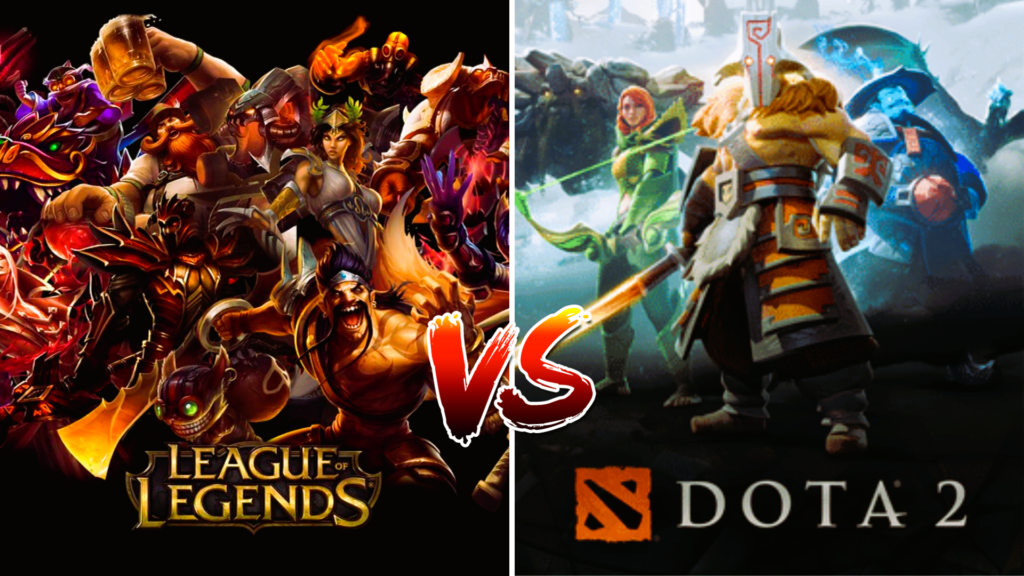
Now we’re talking esports. Dota 2 and League of Legends (LoL) — two games that took the Multiplayer Online Battle Arena (MOBA) genre and ran with it.
Why League of Legends succeeded:
- Accessibility: Dota 2 had that steep learning curve. League streamlined things, making it more accessible to newcomers.
- Regular updates and champions: LoL kept the meta fresh with new champions, skins, and events, keeping players hooked.
- Esports Dominance: LoL just nailed the esports scene. They had the big tournaments, tons of sponsorships, and a highly engaged fanbase.
| Feature | Dota 2 | League of Legends |
|---|---|---|
| Learning Curve | Steep, technical | Easier to pick up and play |
| Strategy | Deep, complex | Fast-paced, more action-oriented |
| Esports | Niche but massive tournaments | Major leagues, global audience |
So, What Makes Some Clones Stand Out?
Alright, you’ve seen the games, but what makes one succeed while another falls into oblivion? Here are the magic ingredients:
- Innovation Within the Formula: Don’t just copy; add something fresh. Fortnite didn’t just take PUBG and slap a paint job on it — they made it their own with the build mechanic.
- A Community-Driven Approach: Roblox was smart about this. The game is as much about the community as it is about the gameplay. That’s why you see so many loyal players creating and playing custom games.
- Support & Updates: Regular, consistent updates are key, especially for multiplayer games. People want new content. They want to feel like the game is growing with them, not just stagnating.
- Perfecting Performance: No one likes lag. If your game isn’t smooth, it’s going to get axed. Simple as that. Focus on optimized servers, good netcode, and a stable connection.
Wrapping It Up: Should You Clone, or Should You Innovate?
At the end of the day, there’s room for both: successful clones and original games. But if you’re thinking about creating a clone of your own, you better bring something new to the table. If you don’t have that “wow” factor, your clone will be just another copycat destined to fade into obscurity.
Just remember — the best clones stand out because they innovate. And if you’re gaming with the squad tonight, don’t forget to give props to the devs who make these games happen. Without them, we’d be stuck in the 90s playing Pac-Man all over again.
For more insights into game development and standardization, check out Wikipedia’s Game Cloning Page.
Now, go forth and make that game, create that mod, or just keep playing and rocking those zero-lag clutch plays!