
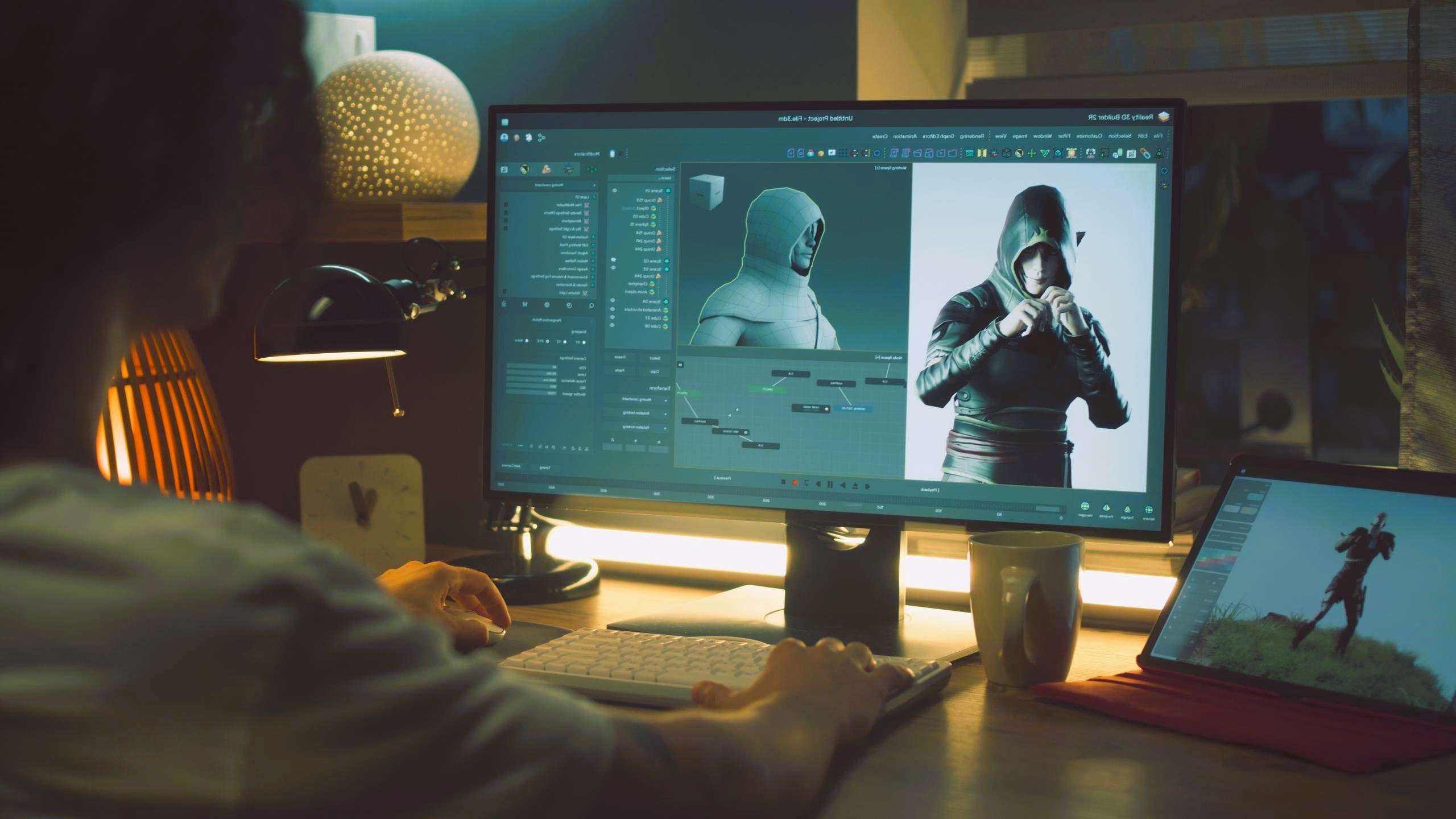
Ever wondered how your favorite game went from a scribble on a napkin to the full-fledged, time-devouring masterpiece you play for hours? Whether you’re a gamer, dev, modder, or esports pro, understanding the magic behind game development can give you mad respect for the craft. Let’s break it down step by step—raw and real.
🎮 Phase 1: The Idea (a.k.a. “Let’s Make Something Awesome”)
Every legendary game starts with an idea. It could be a killer concept, a unique gameplay mechanic, or just “What if Dark Souls but in space?” Here’s what happens at this stage:
- Brainstorming – Developers throw ideas at the wall, hoping something sticks.
- Market Research – Nobody wants to make a game that flops harder than Anthem.
- Genre & Platform Decisions – Is it a PC-exclusive RTS or a mobile gacha grinder?
Big studios hire entire teams for this. Indies? It’s often one person and a whiteboard.
💡 Phase 2: Prototyping (a.k.a. “Is This Even Fun?”)
Before dumping years into development, devs whip up a quick prototype—a rough, buggy version of the game to test core mechanics. This phase determines if the game will be:
- A masterpiece (like Elden Ring’s perfect combat feel)
- A nightmare (like Cyberpunk 2077’s launch… yikes)
Prototyping tools like Unity, Unreal Engine, and Godot help devs bring ideas to life fast. If it’s fun, they move forward. If not? Back to square one.
🏗 Phase 3: Pre-Production (a.k.a. “The Real Grind Begins”)
Now, it’s time to:
- Write the game’s lore & story (if applicable)
- Create concept art & character designs
- Plan the tech stack (engines, physics, AI, multiplayer servers)
- Assemble the dev team (coders, artists, designers, audio wizards)
This phase determines how smooth development will be. Bad planning? Expect delays, feature cuts, and developer burnout. Read our article about the best No-Code and Low-Code platforms for game development.
🔥 Phase 4: Production (a.k.a. “The Blood, Sweat & Tears Phase”)
This is where things get real. Developers start:
- Building levels, characters, and worlds
- Coding AI, physics, and game mechanics
- Designing UI/UX (so you actually know how to play the game)
- Implementing multiplayer (a whole separate beast)
- Adding sound effects and voice acting
This phase can take YEARS. The longer it takes, the more expensive it gets. (Looking at you, Star Citizen.)
🧪 Phase 5: Testing (a.k.a. “Fixing the Game Before Gamers Roast Us”)
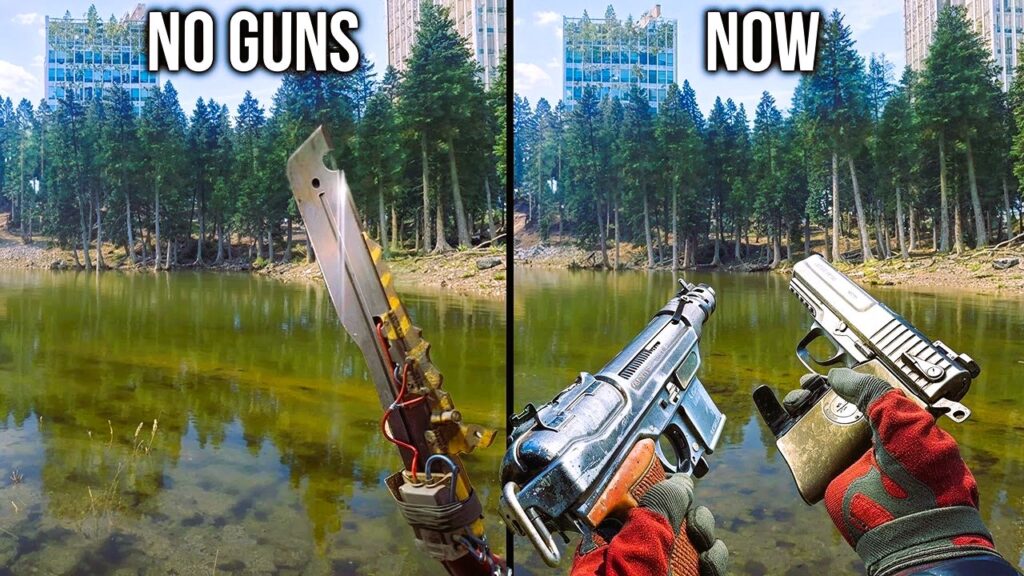
Games are complex beasts. Devs need to test everything:
- QA Testing – Making sure the game doesn’t break every five seconds
- Playtesting – Seeing if the game is actually fun
- Performance Testing – Nobody wants a game that runs at 15 FPS
- Multiplayer Testing – Reducing lag and server crashes
Fun fact: Some bugs are so hilarious they stay in the final game (Skyrim’s flying mammoths, anyone?). More on this at IGN.
📢 Phase 6: Marketing & Hype Train (a.k.a. “Get Ready for the Launch Day Chaos”)
A great game nobody knows about = flop. That’s why publishers and devs go all-in on:
- Trailers & gameplay reveals (E3, Gamescom, Twitch showcases)
- Beta testing & early access (for hype & feedback)
- Pre-orders & special editions (hello, collector’s steelbooks)
- Influencer campaigns & streamer sponsorships
Sometimes, marketing saves a mediocre game (No Man’s Sky). Other times, it backfires hard (Battlefront II loot box disaster).
🚀 Phase 7: Release (a.k.a. “Launch Day Mayhem”)
Launch day is chaos. Servers crash. Bugs slip through. Day-one patches roll out. If done right, the game becomes a classic (think The Witcher 3). If done wrong, it’s a disaster (think Fallout 76 at launch).
Common launch struggles:
| Issue | Why It Happens |
|---|---|
| Game crashes on boot | Rushed development, untested code |
| Multiplayer lag | Servers overloaded or poorly optimized |
| Missing features | Developers ran out of time |
| Day-one patches | Because the game wasn’t actually finished at launch |
🎯 Phase 8: Post-Launch (a.k.a. “Fixing & Expanding the Game”)
Games don’t stop evolving after launch. Devs work on:
- Bug fixes & patches – To prevent player rage
- DLC & expansions – More content, more $$$
- Live service updates – Keeping the game alive (looking at you, Fortnite)
- Modding support – Because modders will do what devs won’t (like fixing Cyberpunk 2077)
Check out Fandom for the best game modding communities.
🎤 Final Thoughts: The Magic Behind the Madness
Making a game is HARD. It takes years, insane dedication, and a bit of luck. Whether you’re a casual gamer, an aspiring dev, or an esports warrior, knowing what goes into your favorite games adds a whole new level of appreciation.
Got a game idea in your head? Start small, experiment, and never stop learning. Who knows? You might be the next big thing in gaming.