
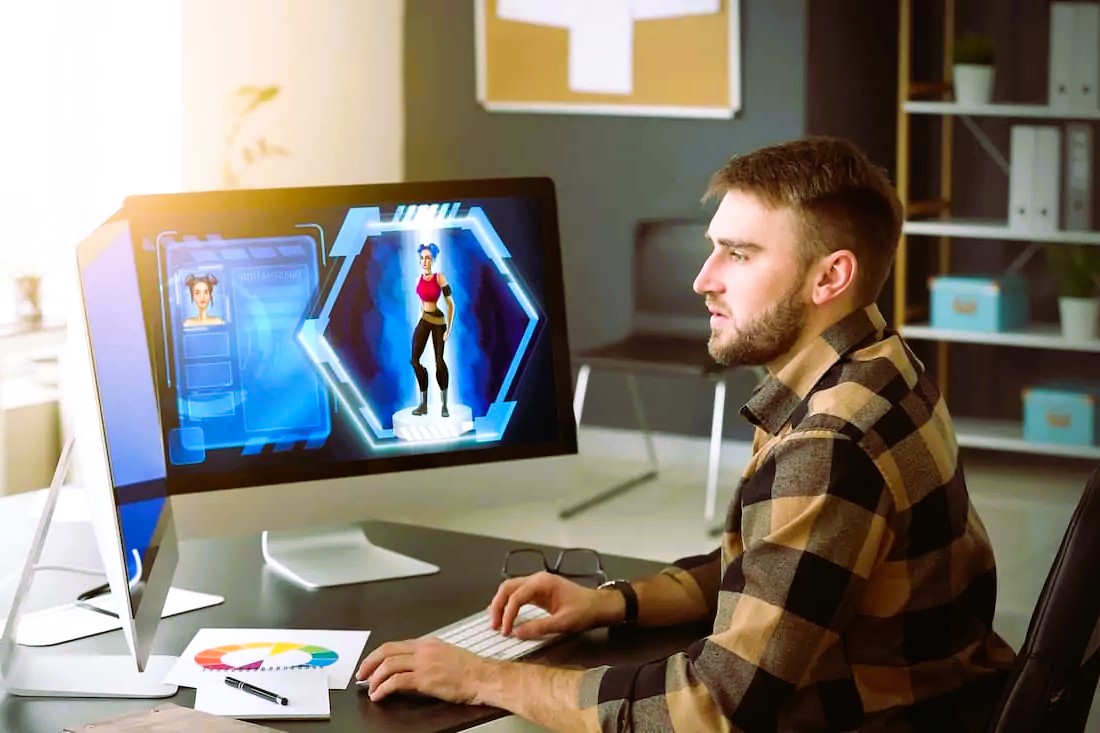
Alright, listen up. You’re here because you want to create a game that’ll blow people’s minds, but the idea of learning code is making you break out in cold sweats, right? Well, I get it. You’re not a programmer, but you still want to design the next big thing. Let me tell you something: You don’t have to be a programmer to get into game design.
In fact, a ton of game designers out there aren’t coding wizards—they’re creative masterminds who know how to piece things together using the right tools and mindset. So, if you’re ready to ditch the intimidation and dive head-first into the world of game design without pulling your hair out over code, this guide’s for you. Let’s break this down.
1. Start with the Basics—You Need to Get Comfortable with Game Mechanics
First thing’s first: game mechanics. Without them, your game is like a car without wheels—just sitting there looking good but going nowhere.
Game mechanics are the rules and systems that drive the gameplay—how things move, interact, and work together. You’ve gotta think about how a player’s actions are going to affect the world you’ve created. How do you score points? What happens if a player hits a trap? What makes players keep coming back for more?
Example: In Super Mario, the game mechanic revolves around jumping on enemies and collecting coins. Simple, but it keeps players coming back.
Start playing some games with a designer’s eye. Pause and think about what’s making that game tick. What works? What doesn’t? How does the level design play into things? Get used to thinking like a designer. Don’t just play—analyze. Trust me, it’ll pay off.
2. Use Game Design Software that Doesn’t Need Coding Skills
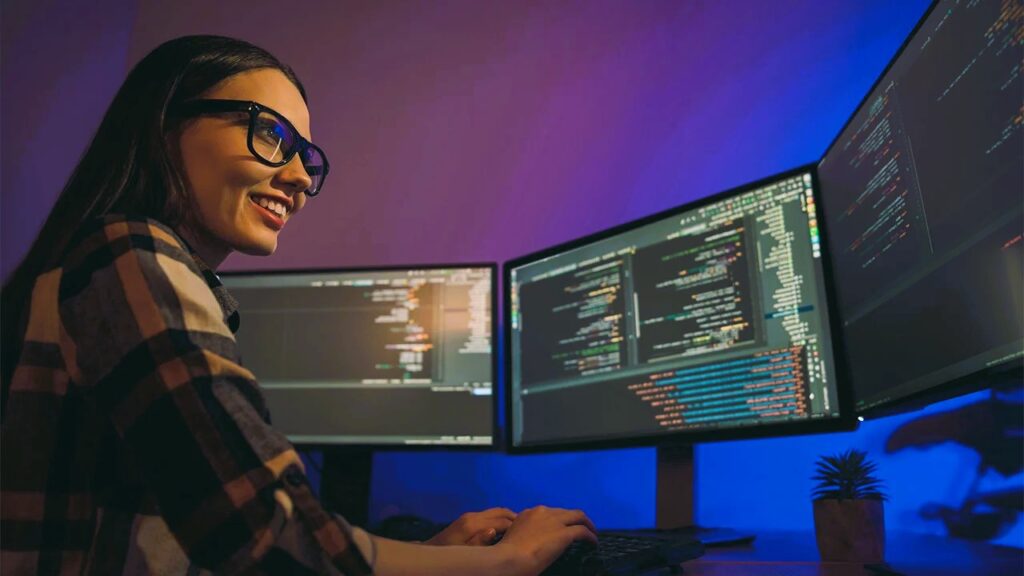
Here’s the magic trick: No-code game engines. Yes, there are game engines out there that let you build your dream project without touching a single line of code. You can go full-on creative without being scared of syntax errors.
Some solid options:
- Unity (with visual scripting): Unity’s got a tool called Bolt, a visual scripting plugin. It lets you drag and drop, creating gameplay mechanics without writing code. Sure, you won’t be pulling off crazy AI algorithms, but you can get simple, solid mechanics running.
- Unreal Engine: Unreal’s Blueprints are just as insane. You’ll get visuals instead of lines of code, and you can still build epic games with it. It’s like building a game out of Lego blocks—you just connect the pieces to make something awesome.
- Construct: This one’s for the guys who want to get games out fast and easy. If you’re looking to build 2D games, Construct is a dream. It’s like your favorite drag-and-drop tool, but for game design.
- GameMaker Studio 2: A super popular option for 2D games. It has a scripting language (called GML), but you can totally get away with visual-based logic to start.
Here’s the thing: you’re not stuck with bare-bones templates. Once you start grasping the basics, you’ll realize just how powerful these engines are. The freedom they offer is ridiculous. Did you like the article? Read also about Online Games Work.
3. Master the Art of Prototyping—Quick and Dirty
Listen, if you’re trying to build something perfect from the get-go, you’re gonna get stuck. The secret to becoming a game designer is learning to prototype quickly. Prototyping is your best friend. It lets you test out ideas fast without spending days on coding.
How to Do It:
- Start with paper prototypes. Yes, you read that right. Grab some pen and paper, sketch out your ideas, and play-test them with friends. It’s that easy. If you can design a board game or card game on paper, you can do the same digitally.
- Use your game engine’s pre-built assets. No need to start creating 3D models from scratch. Just use the built-in assets to mock up the game’s flow. You’re testing ideas, not building a masterpiece.
- Don’t worry about looking pretty. Your goal is to see if your gameplay works.
4. Study Game Design Theory—Understand What Makes a Game Fun
Okay, this one’s huge. Game design theory is all about learning how to make your game engaging and fun. It’s not just about mechanics; it’s about how everything works together to create an experience.
Key Concepts:
- Flow: The sweet spot where players feel challenged but not frustrated. You want your players to feel like they’re progressing, but not breezing through without effort.
- Reward Systems: Think level-ups, loot drops, and achievements. A great game keeps players hooked with constant rewards, both big and small.
- Storytelling: Even if you’re not writing the next Shakespearean epic, a strong narrative keeps players invested in your game. Simple objectives and a compelling setting will keep players engaged.
- Pacing: Know when to give players a breather and when to challenge them. Too much action can be overwhelming, and too much down-time can be boring.
5. Experiment with Custom Servers and Mods—Because Why Not?
Alright, modders and custom server fans—this one’s for you. You’ve got your engine and your game theory down. Now, get your hands dirty by testing out custom servers or even modding existing games. Minecraft, Garry’s Mod, and even ARK: Survival Evolved have modding communities that help you get better at creating mechanics in a live, fast-paced environment.
Why? Because mods are all about experimentation. You’re tweaking and testing systems in real-time, without worrying about a game being perfect. This kind of practice is invaluable for someone not diving into full-on programming.
6. Collaborate with Developers

Let’s be real. You don’t need to be a programmer to be a game designer, but it’s good to know some code to talk shop with developers. Fortunately, you don’t have to go through a whole coding bootcamp. Just learn some basic scripts or game logic that’ll help you communicate your ideas to a dev team (or the one person you’re working with).
You can also collaborate. Teaming up with a developer who knows code will save you a ton of time. Your creative ideas and their technical skills can create something magical.
7. Stay Updated, Stay Hungry
Game design is always evolving, so you’ve gotta keep up with the times. Follow game designers on social media, listen to game design podcasts, and subscribe to YouTube channels about indie game development. If you really want to up your game, try to be involved in online communities where you can bounce ideas off others. I’m talking about places like Reddit’s r/gamedev, Discord servers, and even game design forums.
Some Useful Resources:
- Gamasutra: All about the industry side of game development.
- IndieDB: Great for keeping tabs on indie game projects and their mechanics.
Remember: Game design is more about creativity and problem-solving than it is about programming skills. So stop stressing about being a coding wizard. With the right tools, knowledge, and mindset, you can design a game that’ll be remembered.
Now go out there and start designing. The world is waiting for your game. Whether it’s a simple mobile game or a full-fledged VR experience, if you’ve got the passion and the drive, you’ll make it happen.
Stay creative, and as always, keep gaming!