
Alright, buddy, grab your snacks, because we’re diving into a topic that’s gonna make you rethink your next gaming session. We’re talking about cheat codes, hacks, and how all that sneaky business goes down in the world of games. Whether you’re a player looking to break the system (or just for a good laugh), a developer checking for exploits, or a modder with a twisted sense of fun, we’ve all been there.
Let’s get real. Cheat codes and game hacks are as old as gaming itself, and they’re not going anywhere anytime soon. But how do they actually work? How do people manipulate code without breaking the game (or, more importantly, the rules)? Let’s unpack it.
What Are Cheat Codes and Hacks, Anyway?
Before we get into the nitty-gritty, let’s clear up the lingo. Cheat codes are like the secret passwords to the game’s inner workings. Think of them as Easter eggs developers sometimes toss in for fun—like unlocking infinite health or revealing all the hidden items in the game.
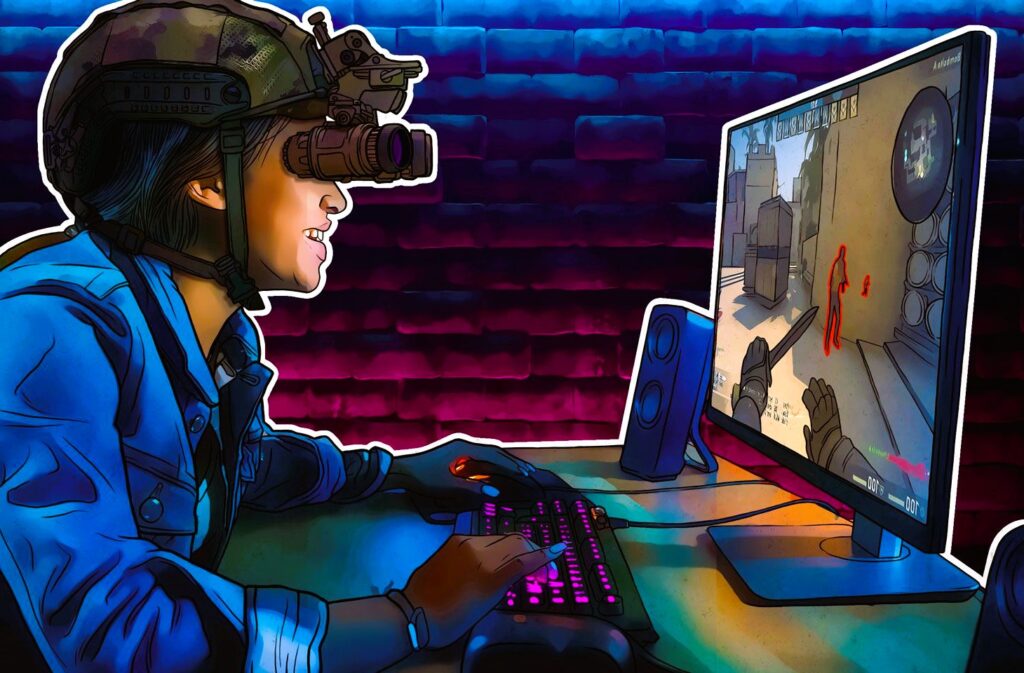
Hacks, on the other hand, go a step further. They’re not meant to be discovered by the devs—they’re more like under-the-radar modifications made by players or hackers who are changing the game outside the lines. From aimbots in FPS games to wallhacks in your favorite battle royale, hackers use these tricks to get a leg up on the competition.
How Do They Work? The Juicy Details
Here’s where it gets spicy. Cheat codes and hacks aren’t just “cheat” for the sake of it. They exploit weak points or hidden functions in a game’s code. Most games run on complex engines that process thousands of actions in real-time, right? But just like in life, nothing’s perfect.
1. Memory Manipulation
Memory manipulation is one of the oldest tricks in the book. It involves poking around the game’s memory—basically the short-term storage where the game keeps track of things like your health, ammo, and position in the game world.
- Example: You’re playing a racing game, and you want unlimited boost. A hacker might find the memory address where the boost is stored, change the value to an infinite number, and boom—you’re off to the races without running out of fuel.
2. Code Injection
Game engines work by running lines of code that tell your character what to do. Some cheats work by injecting additional code that either alters or bypasses these commands.
- Example: In multiplayer shooters, aimbots inject code into the game’s files to automatically aim at opponents, essentially turning you into a human auto-aim bot. Talk about OP, right?
3. Reverse Engineering
This one’s for the tech geeks and modders out there. Reverse engineering is when someone takes a game (or even just the game’s patch notes or executable files) and unpacks how it works. Once they understand the engine, they can manipulate the data and create cheats or hacks. Read about How Video Games Are Made.
- Example: Hackers reverse-engineer a game’s network protocols to get around anti-cheat systems, allowing them to perform actions undetected by the game’s servers.
4. Exploits and Glitches
Sometimes, cheats aren’t even about changing code. Exploits take advantage of unintended flaws or glitches in the game. These are like the game’s “oops” moments—where devs missed something, and players turn it into a tool.
- Example: In a battle royale, there might be a glitch where you can hide inside a rock or under the map, making you completely invisible to other players. While not necessarily coded as a hack, it’s still a way to get an unfair advantage.
Cheat Codes and Hacks in Different Gaming Worlds
Let’s break down how cheats and hacks fit into different gaming genres. Yeah, we’re going there.
| Genre | Common Hacks/Cheats | Why It Matters |
|---|---|---|
| FPS (First-Person Shooters) | Aimbots, wallhacks, speed hacks | Clutch plays? More like making the game unplayable for others. |
| MOBA (Multiplayer Online Battle Arenas) | Map hacks, skill cooldown manipulation | These can shift the balance of team-based play in seconds. |
| MMORPGs (Massively Multiplayer Online RPGs) | Speed leveling, item duplication | Boosts your power in a world where grind is real. |
| Battle Royale | Wallhacks, invisible players, radar hacks | Takes the fun out of fair competition. |
| Simulators | Money cheats, unlimiting resources | Just a bit of fun in games where realism reigns. |
Why It’s a Big Deal (And How to Deal With It)
Look, we get it. Sometimes it’s just about having fun with the system, right? But it’s important to keep in mind that cheats and hacks mess with the integrity of the game, especially in multiplayer and esports.
For Players:
If you’re just looking to mess around in single-player or casual modes, fine, go ahead and hack away. But remember, your cheats might mess with the game’s delicate balance. Play responsibly, or risk getting booted from multiplayer lobbies.
For Devs:
If you’re coding the next big thing, make sure you test your game like a pro. Implement anti-cheat systems, check for common exploits, and do some reverse engineering of your own. Keep an eye on forums where hackers gather—knowledge is power.
For Modders:
Modding is cool, but always stay on the right side of the line. Just like how cheats ruin a fair game, malicious mods can destroy a community. Get creative, but stay legal and ethical.
For Esports Players:
Zero-lag, no excuses. If you’re caught hacking, you’re out. Plain and simple. Training, strategy, and skill are what separate the champions from the noobs, so don’t be the one who takes the easy road.
Wrapping It Up: Should You Be Worried?
Hacks and cheats have been around forever, and they’re not going anywhere anytime soon. But while they can be fun in the right context, they can seriously ruin the experience for others. As gamers, we need to respect the game and keep the experience fun and fair. Keep it legit, and leave the hacks to the modders who know what they’re doing.
For a deeper dive into game code, exploits, and more, check out this Wikipedia article on cheat codes.
So, next time you’re about to hit up a late-night gaming session, think about the role hacks play in your favorite games. Keep it clean, keep it fun, and most importantly—keep it real. Happy gaming, my friend!